The Mexeflotes Role in Falklands Logistics
In 1982 moving supplies to the Falkland Islands was a task for military units. Ships could anchor in the water. Getting cargo to the shore was a major challenge. There were no ports. The beaches were rough. Tides changed quickly. The ground was unstable. All of this made the final delivery of supplies extremely hard. To solve this problem the Mexeflote was used. It showed how important adaptable equipment is in operations that take place on land and sea.
Designing for the Challenge of No Port
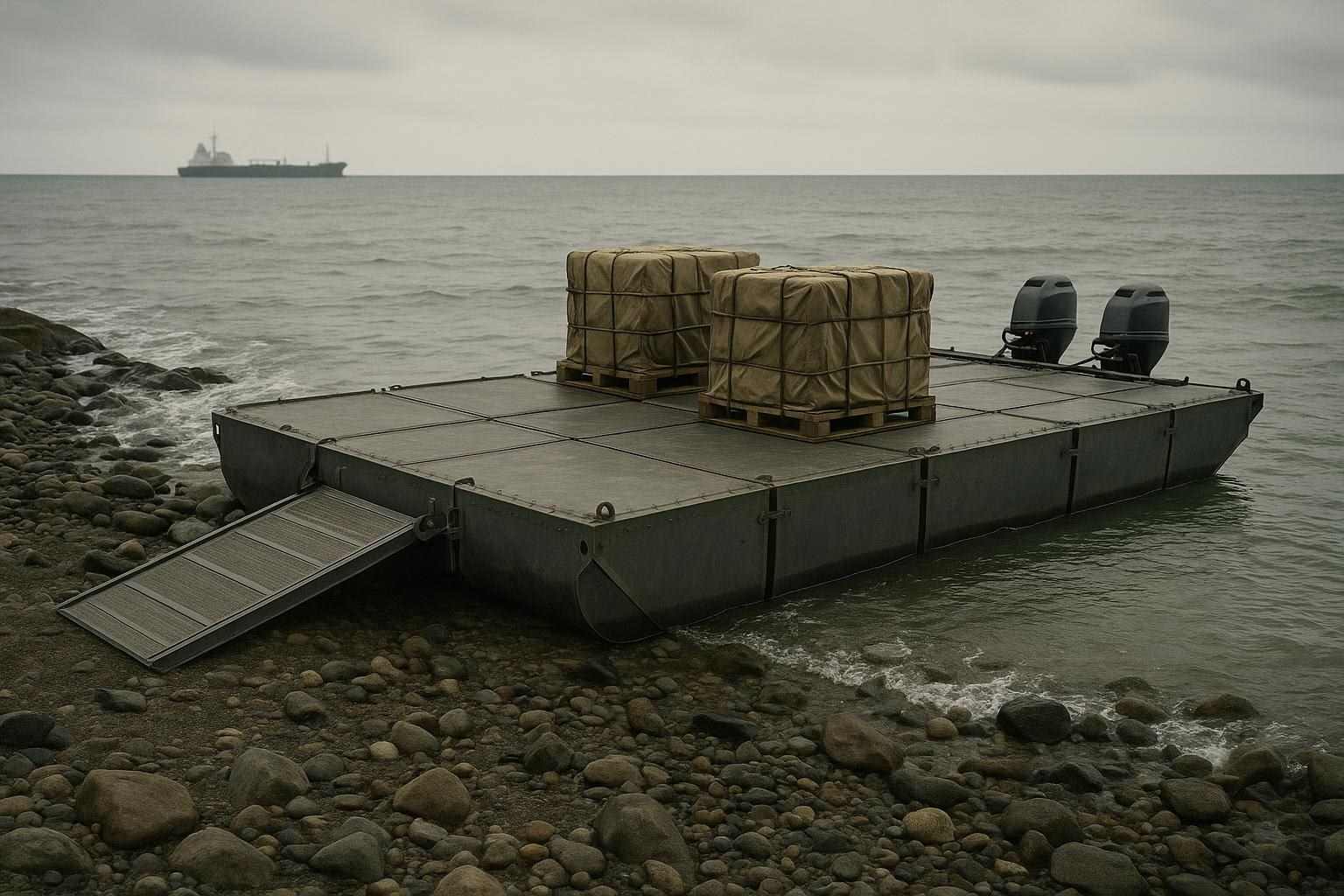
The Mexeflote was different from boats. It was built to work where there were no docks or piers. This craft was made up of pontoons that could be put together in different ways. These pontoons formed a deck that could carry vehicles. Ramps were added so things could move on and off. Small engines could be attached to help the craft move without needing a ship.
This design was very useful when there was no landing point. A warship could come close to the shore. It could not unload directly. The Mexeflote filled the gap. It moved supplies from the ship to the beach. It carried fuel, ammunition, food and even military vehicles. It did not care about speed or comfort. Its job was to get the job done.
The Falklands Geographic Challenges
The islands themselves made logistics more difficult. The coastline was long. Roads were few. Cargo landed on the beach had to be moved inland. Supplies had to reach command posts, medical aid stations, vehicle parking zones and ammunition stores. Each step of this journey had risks.
The slope of the beach, tides, waves and hidden underwater rocks all caused problems. Planning had to consider every detail. The Mexeflote helped by letting supplies be unloaded right where they were needed.. It did not remove all the risks. Getting supplies onto land was still tough.
Essential Components of the Mexeflote
The Mexeflote worked because every part had a job. The pontoons made the craft float. The connectors let the pieces join into a platform. The ramps helped vehicles go on and off. The engines gave the craft power to move on its own.
Each piece was important. If one failed the whole system could be. Useless. A picture of a Mexeflote of supplies looks simple.. Behind it is a complex system. Cargo had to be tied down. Vehicles had to be loaded. The structure had to be strong. The modular design was not an accident. It was planned to be flexible and useful in changing conditions.
Weather as a Factor
The weather was a big factor in how well the Mexeflote worked. Wind, waves and fog all operations. High waves could make the ride dangerous. Poor visibility could delay offloading. Storms could stop everything. Supplies could be stuck on ships for days. Some days crews had to change their plans.
Cold and wet weather made things worse. Ramps could become slippery. Mud could build up on the deck. Workers had to push. When tired people make mistakes. This is often left out of stories.. In real operations weather was always a problem.
Operational Relevance of the Mexeflote
The Mexeflote did not win battles. It did not make headlines.. It kept the war going. Its value came from doing the job again and again. It was not one big delivery. It was about consistency. It kept supplies flowing. It made sure troops had what they needed.
Unlike fighter jets or tanks the Mexeflote was not flashy.. It was essential. It connected supply ships with troops on land. Without it operations would have been slower less reliable and harder to sustain. Its role was quiet but vital.
Preserving the Legacy
Today a Mexeflote is on display in a museum. It stands as a reminder of its role.. It is more than just a piece of history. It tells a story. When studying it we must look at its past. We must see how it was used. We must notice repairs, changes or signs of wear.
A deck that is scraped shows how often it was used. A faded marking shows when it was moved. A modification on a joint shows a change in purpose. These details matter. They show a craft that survived conditions. They show a tool that worked under pressure.
The Mexeflotes story is not about one war. It is about the importance of logistics. It is about how support systems keep operations running. It is about how a simple craft can make a difference. It is, about the work that supports the loud actions. The Mexeflote may not be remembered by everyone.. It was key.. It should not be forgotten.

Leave a Reply